
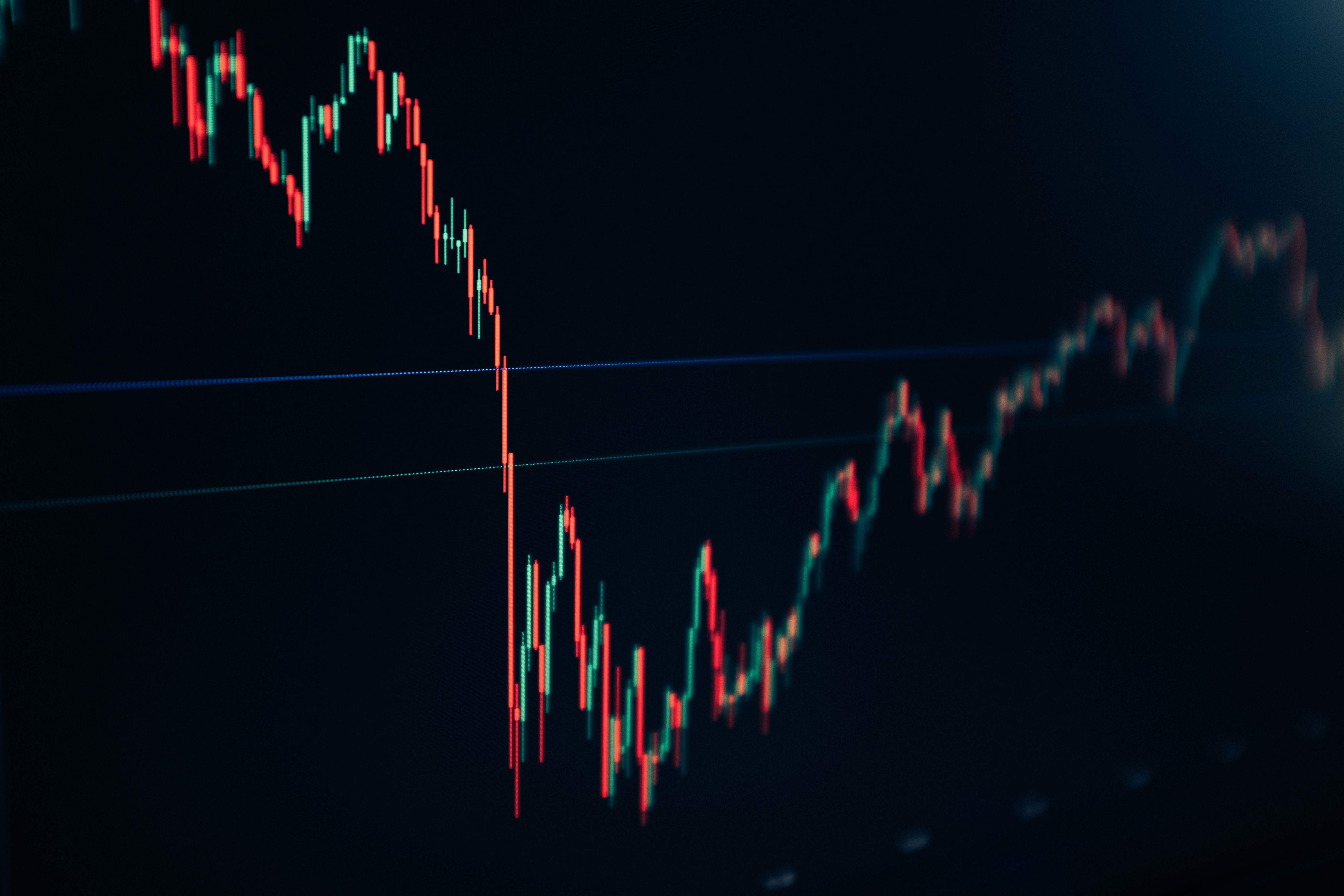

What is a Trendline?
A trendline is a fundamental concept in technical analysis, serving as a visual representation of the general direction of an asset’s price movement over a specified period. It is drawn by connecting significant price points on a chart, either high points for a downward trend or low points for an upward trend. The clear depiction of price direction helps investors simplify complex market behavior and make informed decisions based on observable patterns. By analyzing these lines, traders can assess whether an investment is trending upwards or downwards, which is crucial for deciding on entry and exit points.
Trendlines play a vital role in identifying key support and resistance levels within market analysis. Support levels denote price points where an asset tends to stop falling and may even bounce back upwards. Conversely, resistance levels are where an asset often reverses its upward trajectory. The interaction of price with these lines can indicate potential future movements, allowing traders to strategize accordingly. For instance, if the price approaches a trendline that serves as a support, investors may see it as a buying opportunity, anticipating a rebound. Similarly, if the price nears a resistance line, they might consider selling, predicting a potential drop in value.
To effectively utilize trendlines, investors often look for the commitment of price action—two or more points of contact with the trendline signify its strength. Furthermore, angle and slope are essential as well; a steep trendline might suggest a rapid price movement, while a gentle slope could indicate a dual phase of support or resistance. By understanding and applying trendlines, traders can bolster their technical analysis toolkit, improving their ability to navigate the markets efficiently.
Types of Trendlines
Trendlines are essential tools used in technical analysis to identify and interpret market movements. There are three primary types of trendlines: upward, downward, and horizontal, each characterized by distinct features and implications for market direction.
An upward trendline is formed by connecting two or more significant lows on a price chart, indicating a general inclination of prices in a rising pattern. This type of trendline suggests bullish market sentiment, as buyers are consistently entering the market at increasing price levels. As long as prices remain above the upward trendline, it may serve as a support level, indicating potential points for entry in a long position. For instance, if a stock price fluctuates but remains above the ascending trendline, this reinforces the upward momentum, prompting investors to consider further investment opportunities.
Conversely, a downward trendline connects the peaks of two or more significant highs, revealing a declining trend in market prices. This trendline points towards bearish sentiment, where sellers dominate and push prices lower. In this context, the downward trendline functions as a resistance level, suggesting that any upward movements are likely to encounter selling pressure. For example, if the price attempts to rise but is consistently halted by the downward trendline, this indicates that a reversal to a downward trend may be imminent.
Lastly, a horizontal trendline occurs when the market moves within a defined range, showing minimal movement in either direction. This trendline is created by connecting multiple swing highs and lows that are approximately equal, indicating a consolidation phase. In such a scenario, investors may look for breakout opportunities, as a decisive movement above the horizontal trendline might signal a shift toward upward momentum, while a drop below could suggest continued bearish behavior.
Recognizing and understanding these various types of trendlines is crucial for investors aiming to make informed decisions based on market behavior.
How to Draw Trendlines
Drawing trendlines on price charts is essential for investors seeking to identify price trends and make informed decisions. The first step in this process is to identify significant peaks and troughs on the chart. A peak represents a high point in asset pricing, while a trough signifies a low point. Investors should look for at least two significant peaks or troughs to establish a reliable trendline. The more points a trendline connects, the stronger the identified trend will be.
Once you have identified these key points, the next step is to draw the trendline itself. For an uptrend, the trendline is drawn by connecting the lows (troughs), while for a downtrend, it connects the highs (peaks). It is essential to ensure that the line has a proper angle; a trendline should not be too steep as it implies a potential reversal, whereas a flatter line may indicate a weak trend.
Additionally, consider using multiple time frames when drawing trendlines, as this provides a more comprehensive view of price movements. A trendline established on a daily chart may look different than one on an hourly chart. Always pay attention to supporting and resistance areas, where price frequently reverses or stalls. These areas can also help validate the trendline’s effectiveness.
Moreover, it is crucial to avoid common pitfalls in trendline drawing. Many investors make the mistake of adjusting trendlines to fit price movements instead of allowing the market to dictate the lines. Stay objective and resist the temptation to alter trendlines based on expectations. Remember that a well-drawn trendline can serve as a vital tool for analysis, offering insights into potential price movement and market sentiment.
Using Trendlines in Investing Decisions
In the world of investing, the practical application of trendlines can significantly influence decision-making processes. A trendline is a straight line drawn on a chart that connects two or more price points, illustrating the general direction of an asset’s price movement over time. By identifying upward or downward trends, investors can gauge market sentiment and potential future price movements, making trendlines an essential tool for traders seeking insight on market behavior.
One of the primary benefits of employing trendlines is their ability to signal potential entry and exit points. When the price of an asset approaches a trendline, it may be indicative of its support or resistance level. A significant bounce off an upward trendline often indicates strong support, suggesting that it may be an opportune moment to buy. Conversely, if the price nears a downward trendline, which acts as resistance, it may be prudent to consider selling or taking a short position. Essentially, these trendlines serve as psychological barriers that inform traders of possible price reversals.
Moreover, to enhance trading strategies further, trendlines can be effectively combined with other technical indicators, such as moving averages and relative strength index (RSI). For instance, when a stock’s price is consistently bouncing off an upward trendline and the RSI indicates an overbought condition, it could prompt an investor to scrutinize the situation more closely. This multi-faceted approach helps mitigate risks and potentially increases the probability of success in trading endeavors.
Overall, understanding and utilizing trendlines can lead to more informed investment decisions, as they provide critical insights into market dynamics. By recognizing these patterns alongside other technical indicators, investors can better navigate their trading strategies and maximize their chances of achieving favorable results.
Examples of Trendline Applications
Trendlines are essential tools for investors seeking to navigate market dynamics effectively. They serve as visual representations of price movements, indicating potential support and resistance levels. One practical example can be observed in the stock chart of Company A, where a clear uptrend was established over several months. By drawing a trendline connecting the lower points of the price movement, investors identified a support level that remained intact during fluctuations. When the stock price approached this line, many traders viewed it as an optimal entry point. As a result, the price bounce off the trendline validated its function as a reliable support.
Conversely, there are instances where trendlines may not yield the expected results. For example, consider the chart of Company B, which displayed a downward trend characterized by consistent lower highs and lower lows. Here, a trendline was drawn, but the stock unexpectedly broke through this line, signaling a potential shift in market sentiment. This breach ultimately led to further declines, demonstrating that while trendlines can indicate potential trends, they are not infallible. Traders who relied solely on this trendline for decision-making experienced losses, highlighting the importance of combining trendline analysis with other indicators.
Another notable instance is seen with Company C, which experienced heightened volatility. In this case, trendlines served to delineate the broader range of price movements, identifying resistance levels near prior highs. Investors who monitored these levels could strategically set their sell orders to capitalize on upward movements while being aware of the possible risks of price pullbacks. By continuously assessing the performance against the established trends, they could adapt their strategies in real time.
These examples underscore the critical role that trendlines play in the analytical toolkit of investors, illustrating their application in varying market conditions, with both successes and failures demonstrating their impact on trading strategies.
Limitations of Trendlines
While trendlines are valuable tools for investors, it is crucial to recognize their limitations. One primary concern is the occurrence of false breakouts. In a dynamic market, prices may sometimes breach a trendline, giving the illusion of a shift in trend while the broader price action ultimately reverts back. This can lead to misinformed investment decisions if traders believe a false breakout signifies a genuine change in market direction. Thus, relying solely on trendlines can expose investors to unnecessary risks.
Another limitation arises from the subjective nature of drawing trendlines. Different analysts may interpret price movements uniquely, resulting in varying trendline placements. This subjectivity can lead to discrepancies in analysis and potentially conflicting investment strategies. Consequently, reliance on individual interpretations may not yield reliable conclusions. Investors must acknowledge that trendlines can differ from one analyst to another, which might complicate the decision-making process, especially in tense or rapidly shifting market conditions.
Furthermore, the significance of market context cannot be overstated. Trendlines should not be viewed in isolation; surrounding market conditions and broader economic indicators must be considered. For instance, a persistent trendline may lose its effectiveness during high volatility or in response to major news events impacting investor behavior. Therefore, neglecting this context while focusing solely on trendlines can lead to misguided expectations. Incorporating additional tools and analyses, such as support and resistance levels, can provide a more comprehensive outlook. Moreover, understanding market sentiment and external factors enhances the interpretation of trendlines, adding depth to investment strategies.
Ultimately, successful investment strategies based on trendlines require a thoughtful approach that encompasses multiple analytical methodologies, ensuring that investors are equipped to navigate the complexities of market behavior.
Trendlines vs. Other Technical Indicators
In the realm of technical analysis, traders and investors often utilize a variety of indicators to make informed decisions. Among these indicators, trendlines, moving averages, and Bollinger Bands stand out as popular choices, each serving distinct functions in guiding investment strategies. This section aims to explore the differences between trendlines and these widely used indicators, highlighting their advantages and disadvantages.
Trendlines are graphical representations that connect significant price points on a chart, effectively illustrating the prevailing direction of market movement. They provide visual clarity on support and resistance levels, allowing investors to identify potential reversal points or continuation patterns. One major advantage of trendlines is their flexibility; they can be applied to any timeframe and are instrumental in recognizing overall market sentiment. However, they are inherently subjective, as different traders may interpret a trendline’s placement differently.
Moving averages, on the other hand, are computational indicators that smooth out price data over a specific period. This smoothing effect enables investors to identify the prevailing trend more clearly, as they help filter out market noise. The two most common types are the simple moving average (SMA) and the exponential moving average (EMA). While moving averages provide robust trend-following signals, their lagging nature can cause delayed entry or exit points, especially in volatile markets.
Bollinger Bands further enhance technical analysis by introducing volatility into the equation. Consisting of three lines—the middle band, which is a moving average, and two outer bands that represent standard deviations—Bollinger Bands not only depict trends but also the market’s relative volatility. While they can provide crucial insights into potential price movements, traders must be cautious, as breakouts can lead to false signals if not used in conjunction with other indicators.
In summation, while trendlines, moving averages, and Bollinger Bands offers unique strengths in the technical analysis arsenal, understanding their respective functions and limitations is vital for effective charting and investment decisions. Each tool plays a distinct role in identifying trends, support, and resistance, thereby enhancing the trader’s ability to navigate complex market conditions.
Case Studies: Successful Investors Using Trendlines
Trendlines serve as critical tools in technical analysis, allowing investors to identify potential price movements by outlining support and resistance levels. Numerous prominent investors have leveraged trendlines in their trading strategies, leading to notable successes. This section presents case studies that illustrate how effective use of trendlines can yield profitable investment outcomes.
A renowned example is Linda Raschke, a seasoned trader known for her adept use of trendlines to make calculated decisions. Raschke often employs the concept of drawing lines that connect significant price points, allowing her to visualize the prevailing trend. By focusing on these lines, she effectively identifies both bullish and bearish scenarios. Her success in trading can be attributed to her disciplined approach to respecting trendlines, which serve as vital indicators of market sentiment and potential entry and exit points.
Similarly, the iconic investor Paul Tudor Jones has attributed part of his success to the systematic application of trendlines. Jones utilizes trendlines to confirm breakouts or reversals, acting as essential support and resistance markers in his investment decisions. By carefully analyzing the intersections of price action with these lines, he can gauge market momentum. This analysis plays a crucial role, allowing him to manage risk effectively and capitalize on emerging trends.
Another notable figure, Joseph Granville, was famous for his Granville’s strategy, which integrated trendlines to identify market trends. His focus on drawing lines that track both price speed and direction helped him predict shifts in market momentum. Granville’s work demonstrates the importance of integrating trendlines with volume analysis, ultimately guiding investors toward timely trading decisions based on price patterns.
These case studies highlight that trendlines are more than mere visual aids; they act as foundational elements in the investment strategies of successful traders. By systematically applying these techniques, investors can enhance their ability to navigate market fluctuations, identifying support and resistance levels for informed trading decisions.
Conclusion: The Role of Trendlines in Your Investment Strategy
Incorporating trendlines into your investment strategy is not merely an analytical exercise; it is a fundamental practice that can enhance your decision-making process. Trendlines serve as valuable tools for identifying pivotal price levels, acting as support and resistance indicators that help investors gauge market sentiment and potential future movements. By understanding how to apply trendlines effectively, investors can better navigate the complexities of financial markets.
Utilizing trendlines allows investors to visualize price trends over time, providing a clearer context for evaluating an asset’s performance. When prices consistently bounce off support levels or face challenges at resistance points, these patterns signal historical buying or selling interest. Consequently, recognizing these trends can inform your trading strategies, enabling you to make more precise entry and exit decisions.
It is important to complement the analysis provided by trendlines with comprehensive research and historical data examination. While trendlines offer valuable insights, they should not be the sole basis for investment decisions. Exploring other analytical methods, such as fundamental analysis or macroeconomic factors, can provide a more rounded perspective and reinforce the significance of identified trends.
Moreover, experimenting with trendlines across various time frames can yield different insights. While a short-term trend may highlight immediate price movements, long-term trends can reveal overarching market behaviors. This layered analysis allows for a more nuanced understanding of possible price trajectories, potentially uncovering opportunities that may otherwise go unnoticed.
Ultimately, the successful integration of trendlines into your investment strategy can significantly contribute to a more balanced and informed approach. By combining technical analysis with other research methodologies, you enhance your ability to make well-informed investment choices that align with your financial goals.